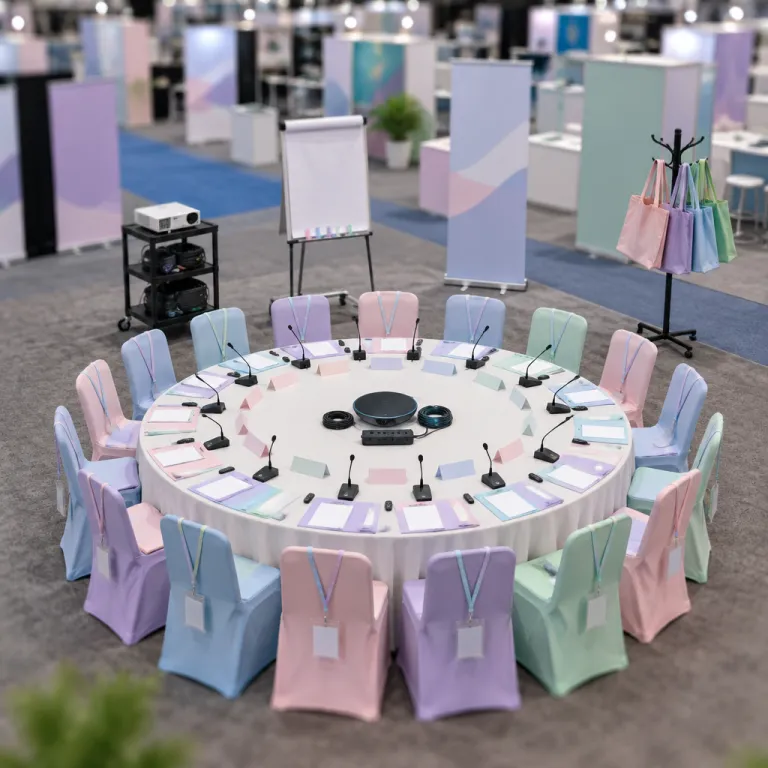
Why a 20-person executive roundtable side event outperforms a booth
An executive roundtable side event B2B trade show strategy gives your sales équipe a focused environment that a noisy expo floor can never match. When senior business leaders are already flying into a Canadian convention center for a major conference or expo, a carefully curated executive event in a quiet room nearby concentrates decision makers who are ready for serious conversations. For B2B teams under pressure to build pipeline without overspending on corporate events, a 20 person events format often delivers the best balance between intimacy, reach, and measurable outcomes.
Across the events industry, data shows a structural shift toward small formats where people can actually talk and think together. Companies are reallocating event marketing budgets from large person events toward micro business events, because a single executive roundtable can generate more qualified opportunities than hundreds of anonymous attendees walking past a trade show booth. For Canadian business owners and revenue leaders, this means that the executive roundtable side event B2B trade show approach is no longer experimental ; it is becoming a core strategy for high value networking events and post event relationship building.
The economics are straightforward for any event professionals or marketing leaders comparing options. A 20 person executive event usually requires only a modest room rental near the convention center, light catering, and minimal event technology, while a full expo presence demands stand design, logistics, and a large on site team. When you factor in the quality of attendees, the depth of content shared, and the ease of event follow activities, the executive events model often delivers a stronger ROI than traditional conference sponsorships or large scale virtual events campaigns.
Designing the format: room, flow, and content that leaders value
Designing an effective executive roundtable side event B2B trade show experience starts with a clear objective and a disciplined format. For most B2B business events in Canada, the goal is to convene 15 to 25 executive level attendees from target accounts, then guide them through a structured conversation that surfaces shared challenges and creates natural openings for your products services. This is where event planning discipline matters ; every element of the executive event must support meaningful dialogue rather than one way presentations.
Choose a private room within walking distance of the main trade show convention center, ideally in a nearby hotel or business club that feels neutral and comfortable. A single U shaped table or a roundtable layout keeps people facing each other, which encourages peer level discussion among leaders instead of a classroom style lecture. Event professionals should plan a 90 minute duration with a tight agenda ; 10 minutes for arrivals and informal networking events, 15 minutes for framing the topic, 50 minutes for moderated discussion, and 15 minutes for closing remarks plus clear next steps.
Content is the currency of trust in these executive events, so avoid generic marketing slides and focus on specific Canadian industry issues. Many teams use a short pre event pulse survey to shape the conversation, then share anonymized results during the session to spark debate among attendees. For a deeper perspective on how executive forums support strategic growth for leaders, you can review this analysis on how executive forums empower Canadian business leaders, and adapt its principles to your own conference side event strategy.
Logistics and timing: making the side event work around the trade show
Operational excellence turns a good executive roundtable side event B2B trade show concept into a reliable growth engine. The first decision is timing ; breakfast sessions before the expo opens or early evening gatherings after the conference floor closes usually work best for busy decision makers. In Canadian cities with dense downtown cores, hosting the executive event in a hotel adjacent to the convention center minimizes friction for attendees and keeps your team close to the main business events hub.
Event professionals should start event planning and soft outreach several registrations weeks before the trade show, especially when targeting C level leaders with packed calendars. Align your internal sales équipe, marketing team, and customer success people on a single target account list, then coordinate invitations so each person receives a coherent message rather than scattered emails. For inspiration on how senior marketing leaders use focused gatherings to set agendas and close deals, examine the positioning of the Canadian CMO summit format and adapt its clarity of purpose to your own side event.
On site, keep logistics simple so your team can focus on conversations instead of troubleshooting event technology. A clear welcome sign, printed name cards, and a concise agenda at each seat help attendees settle quickly and understand the flow of the executive events session. Ensure that at least two people from your company attend ; one executive level host to guide the discussion, and one note taker who captures insights for post event follow up and future virtual events or content initiatives.
Invitation strategy: filling the room with the right 20 people
The success of any executive roundtable side event B2B trade show initiative depends on who is in the room. Start with a sharply defined list of 30 to 40 target decision makers from accounts that align with your ideal customer profile and current pipeline priorities. Include a mix of existing customers, active opportunities, and high potential prospects so the conversation reflects real industry dynamics and gives your team multiple paths to value.
Work backward from the trade show dates and begin invitations at least four to six registrations weeks in advance, using a mix of personal emails, LinkedIn messages, and phone calls. Each invitation should position the executive event as a peer level conversation rather than a sales pitch, emphasizing that only around 20 attendees will join and that the focus is on practical challenges facing the industry. Encourage your internal leaders and account owners to send one to one notes that reference specific business issues, which signals respect for the person and increases acceptance rates.
As responses arrive, maintain a simple tracking sheet that shows confirmed attendees, tentative responses, and gaps by sector or region, so event professionals can adjust outreach. If you reach capacity, create a short waitlist and consider hosting follow up virtual events or smaller person events in other Canadian cities to extend the impact. This disciplined invitation strategy ensures that your executive events room is filled with people who can influence budgets, shape corporate events strategy, and convert into measurable pipeline within a realistic post event time frame.
Measuring impact and scaling the executive side-event model
To justify repeating an executive roundtable side event B2B trade show program, you need clear metrics that resonate with revenue focused leaders. Before the event, align your sales and marketing équipe on specific KPIs such as number of meetings booked, opportunities created in the CRM, and total pipeline value influenced within 30 days. During the session, capture qualitative signals as well ; which attendees leaned in, which topics triggered the most engagement, and where your products services clearly resonated with business owners and other decision makers.
Effective post event execution is where many business events either compound value or quietly fade away. Within 24 hours, send a concise event follow email that thanks attendees, shares key insights, and offers a relevant piece of content such as a short briefing or a link to a related analysis on how Canadian organizers rethink international conferences. Over the next two weeks, your team should schedule one to one conversations with the most engaged people, referencing specific points raised in the room to demonstrate attentive listening and tailored strategy.
As you refine the model across multiple trade show cycles, treat each executive event as a repeatable play rather than a one off experiment. Document what worked in different industries, which convention center locations supported the best turnout, and how virtual extensions such as recorded briefings or virtual events roundups affected long term engagement. Over time, this disciplined approach turns your executive events portfolio into a scalable, data informed engine that complements large conference sponsorships, strengthens your presence at the expo, and consistently converts high quality attendees into durable pipeline for your Canadian B2B business.
FAQ
How many attendees should join a high impact executive roundtable side event
For most B2B teams, a 15 to 25 person range offers the best balance between intimacy and diversity of perspectives. With around 20 attendees, every person can contribute meaningfully while still allowing your team to meet multiple decision makers from different accounts. Larger groups tend to fragment into side conversations, which weakens the value of a structured executive event during a busy trade show.
What is the ideal timing for a side event around a major trade show
Breakfast sessions that start 60 to 90 minutes before the expo opens work well for executives who prefer focused discussions before the conference floor becomes hectic. Early evening events immediately after the trade show closes also perform strongly, especially when held in a nearby hotel or business venue. Midday time slots are harder because attendees are often committed to meetings, sessions, or corporate events obligations.
How should we position the invitation so it does not feel like a sales pitch
Frame the executive roundtable as a peer level forum where leaders can compare strategies on a specific industry challenge, rather than as a presentation about your products services. Emphasize the small group format, the curated attendee list, and the opportunity for candid discussion under Chatham House style rules. During the event itself, keep overt marketing content to a minimum and focus on facilitating dialogue among attendees.
Which metrics best demonstrate the ROI of an executive side event
Track both quantitative and qualitative indicators to capture the full impact of your executive roundtable side event B2B trade show program. Quantitative metrics include meetings booked, opportunities created, and total pipeline value associated with attendees within 30 days. Qualitative signals include depth of engagement in the room, willingness to share internal challenges, and the number of attendees who proactively request follow up conversations.
How can we extend the impact of a physical roundtable with virtual components
Many teams now pair in person executive events with carefully designed virtual events that recap insights or explore adjacent topics. After the trade show, you can host a short virtual briefing for a broader audience, using anonymized themes from the roundtable as the backbone of the content. This hybrid approach allows your business to scale learning, nurture additional attendees, and reinforce your position as a trusted voice in the Canadian events industry.