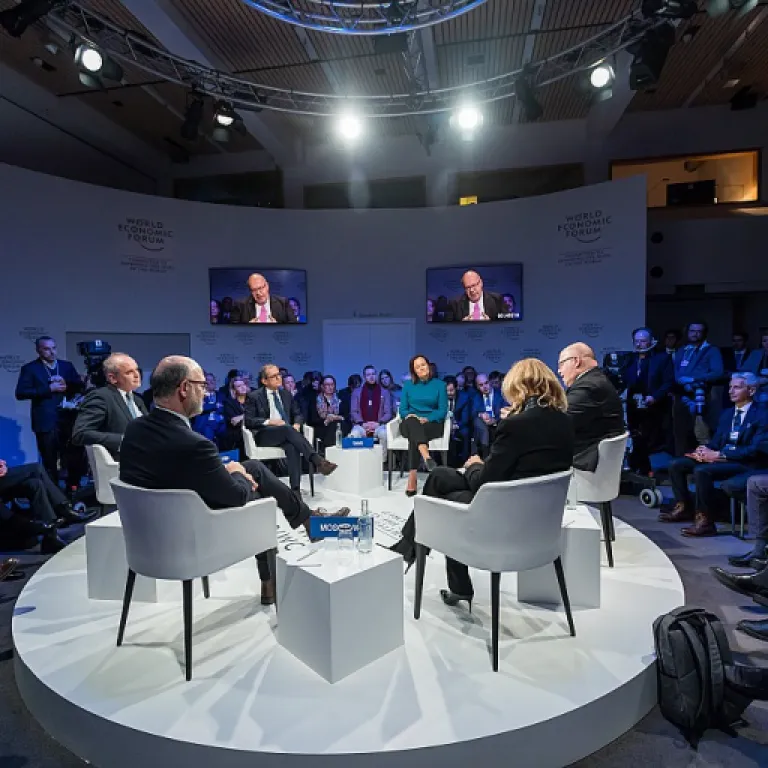
Electronic materials conference as a strategic B2B forum for Canadian companies
For Canadian firms operating in semiconductors and advanced manufacturing, the Electronic Materials Conference (EMC) functions as a strategic annual forum rather than a purely academic gathering. This materials conference on electronic materials preparation, characterization, and applications gives B2B leaders a concentrated view of where device architectures and materials roadmaps are heading, which directly shapes capital allocation and partnership strategies. Because the conference EMC typically attracts several hundred participants across academia, industry, and government labs, Canadian attendees can benchmark their own R&D portfolios against a dense cross section of global competitors.
The EMC conference is coordinated with the Device Research Conference (DRC), which means every plenary session and each topical session on materials is implicitly tied to device performance, reliability, and manufacturability. For Canadian executives responsible for fab investments in provinces such as Ontario or Québec, this linkage between electronic materials and device outcomes clarifies which priorities for a given materials year deserve immediate funding and which can safely remain in exploratory phases. When an EMC electronic track highlights AI integration in preparation and characterization workflows, for example, it signals that process control and yield optimization will soon depend on data infrastructures that many mid sized Canadian manufacturers still lack.
Because the EMC conference org positions the event as a premier electronic materials conference, it also sets informal standards for terminology, metrology, and reporting practices that ripple into B2B contracts and technical specifications. Canadian companies that send attendees to the EMC event will return with shared language on topics such as sustainable electronic materials, quantum materials, and AI driven characterization, which simplifies negotiations with multinational partners. Over several consecutive editions, this alignment of vocabulary and expectations becomes a competitive asset for Canadian clusters trying to attract foreign direct investment into local innovation corridors.
Aligning Canadian venues and legal frameworks with EMC style events
Canadian organizers who want to host EMC style events in Canada need to think beyond logistics and focus on how the venue, legal frameworks, and intellectual property rules support high stakes collaboration. A typical EMC venue in the United States is selected for proximity to a major state university or national lab, which reassures participants that the conference is embedded in a serious research ecosystem rather than a generic convention circuit. When Canadian cities such as Toronto, Vancouver, or Montréal position their own venues near research intensive universities, they signal to international attendees that Canada can host an electronic materials conference with comparable scientific depth.
Legal strategy also matters, especially when EMC electronic research intersects with export controls, dual use technologies, and complex licensing structures. Canadian organizers planning a conference on electronic materials should study how cross border legal frameworks are evolving, including lessons from recent analyses of how large mergers and cross border combinations reshape risk allocation in B2B contracts for Canadian conferences and conventions. When a conference org in Canada drafts participation terms for topical sessions or a poster session that may involve sensitive device characterization data, those terms must balance openness with compliance, or high value speakers will simply stay away.
Another often overlooked dimension is how the event code of conduct and data handling policies are communicated to international participants. At EMC, clear guidance on photography in session and poster areas, handling of pre publication results, and acceptable use of AI tools during a plenary session helps maintain trust among competing firms. Canadian events that emulate this clarity, while offering straightforward contact channels for legal or ethics questions, will feature plenary and topical formats that attract serious contributors rather than purely marketing driven presentations.
Programming EMC style sessions for Canadian B2B impact
Designing a Canadian electronic materials conference that genuinely serves B2B decision makers requires careful programming of plenary, topical, and poster formats. The EMC annual forum has refined a structure where a feature plenary session sets the strategic context, followed by tightly curated topical sessions that drill into specific materials or device challenges, and finally a poster session that surfaces emerging ideas from early career researchers. For Canadian organizers, mirroring this balance ensures that senior executives, mid career engineers, and graduate level attendees all find relevant content without fragmenting the event into disconnected tracks.
In practice, this means that each EMC style electronic session in Canada should explicitly connect materials science to commercial outcomes such as yield, reliability, or sustainability metrics. A topical session on quantum materials, for instance, should not only present band structure calculations but also outline how those materials might alter data center energy consumption or secure communications infrastructure. Canadian B2B audiences respond strongly when speakers translate preparation and characterization advances into procurement implications, supply chain risks, and timelines for pilot line integration.
Poster sessions also deserve more strategic attention than they usually receive in Canadian events. At EMC, sessions poster segments are often where AI driven nanomaterials synthesis or novel device characterization methods first appear, long before they reach feature plenary status, and this dynamic can be replicated in Canada. In 2023, for example, several EMC poster session contributions on machine learning for defect detection later evolved into invited talks at the following year event, illustrating how the poster format can surface technologies that rapidly become commercially relevant. Organizers can borrow ideas from other high performing conferences, such as the way a major dental conference in Atlanta structures its professional collaboration spaces, to design poster areas that encourage targeted B2B conversations rather than casual browsing.
Canadian participation in EMC and DRC as a lever for ecosystem building
Canadian organizations that consistently send delegations to the EMC conference and the linked DRC are not just attending events, they are shaping their domestic innovation ecosystems. When a Canadian state university equivalent, such as the University of Toronto or the University of British Columbia, coordinates its EMC participation with local industry partners, it creates a shared roadmap for electronic materials research that aligns academic incentives with commercial needs. Over time, this joint presence at the conference EMC and at the Device Research Conference becomes a signal to global partners that Canada can deliver integrated device and materials capabilities.
For provincial governments and economic development agencies, EMC attendance data can serve as a proxy for ecosystem maturity. If only a handful of Canadian attendees appear in the EMC program each June, it suggests that domestic capabilities in preparation, characterization, or advanced device architectures remain fragmented, which weakens the case for large scale fabrication investments. By contrast, a visible Canadian cohort presenting in plenary session slots, leading topical sessions, and organizing sessions poster discussions indicates that local clusters are ready to absorb foreign capital and long term supply agreements.
Participation in EMC events also helps Canadian firms refine their internal governance around research partnerships. The EMC conference org has decades of experience managing conflicts of interest, publication timing, and cross institutional collaborations, and Canadian companies can adapt these norms to their own joint development agreements. When Canadian legal and compliance teams attend the event and engage directly with EMC policy discussions on electronic materials, they return with concrete templates for data sharing, IP clauses, and publication embargoes that reduce friction in future collaborations.
Planning EMC inspired events in Canada: timing, formats, and selection frameworks
Timing is a critical factor when Canadian organizers design an EMC inspired materials conference, because the global calendar for electronic materials events is already dense. The traditional EMC event will usually take place in June, which means Canadian conferences scheduled too close to that window risk competing for the same speakers, sponsors, and attendees. A more effective strategy is to position a Canadian annual forum several months away from EMC, turning it into a complementary milestone where participants can report on how they have implemented insights from the original conference.
Format choices also influence whether Canadian events attract the right mix of researchers, suppliers, and corporate buyers. An EMC style program that combines a feature plenary with multiple topical session blocks and a high quality poster session allows participants to move from strategic overviews to detailed technical exchanges within a single venue. To avoid diluting focus, Canadian organizers should resist the temptation to add loosely related tracks and instead concentrate on a coherent set of electronic materials themes, such as AI enabled characterization, sustainable materials, and quantum ready device structures.
For B2B teams deciding which events to attend, a structured selection framework is essential. Canadian companies can use internal scorecards or a detailed guide on how to choose B2B trade shows when teams cannot attend them all to evaluate whether an EMC style conference aligns with their current product roadmaps and partnership goals. By scoring each potential event on criteria such as relevance of electronic materials content, presence of key customers, and opportunities for closed door sessions, Canadian firms can prioritize the conferences that genuinely move their business forward.
Operational details that Canadian organizers should borrow from EMC
Beyond high level strategy, the operational discipline of the EMC conference offers practical lessons for Canadian organizers who want to host credible electronic materials events. EMC maintains a clear conference org structure with defined roles for program chairs, session chairs, and poster coordinators, which keeps the annual forum preparation process predictable for contributors. Canadian teams can replicate this by publishing transparent timelines for abstract submission, review, and acceptance, along with a simple event code system that helps attendees navigate parallel sessions efficiently.
Communication practices also matter, especially when dealing with international participants who may be unfamiliar with Canadian regulations or travel requirements. EMC provides straightforward contact information for each track, making it easy for potential speakers to clarify whether their work fits a given topical session or poster session category, and Canadian organizers should do the same. Clear instructions on how to request letters of invitation, how to handle export controlled device data, and how to comply with local privacy laws will feature prominently in the decision making process for risk conscious corporate attendees.
Finally, Canadian events should pay attention to how EMC integrates emerging themes such as AI integration, quantum materials, and sustainable electronic materials into its program without overwhelming the core focus on preparation, characterization, and device performance. Rather than creating isolated side events, EMC weaves these topics into plenary session content, topical sessions, and sessions poster discussions, which keeps the conference coherent while still forward looking. Canadian organizers who adopt this integrated approach will build events that feel both rigorous and relevant, encouraging participants to return year after year event as the global electronic materials landscape evolves.
Key figures and structural benchmarks for EMC style events
- The Electronic Materials Conference typically gathers several hundred participants per edition, a scale that balances networking density with manageable session sizes, according to publicly available EMC program information.
- Recent EMC programs list several dozen distinct sessions, showing how a focused materials conference can still cover a broad spectrum of topics without diluting quality.
- EMC has been running for many decades, with roots in mid twentieth century electronic materials research, which gives it a long track record that Canadian organizers can study when designing durable annual forums.
- Current EMC programming highlights three major trend pillars, namely AI integration in materials synthesis and characterization, quantum materials for advanced electronics, and sustainable materials for lower environmental impact, all of which are directly relevant to Canadian industrial policy.
- Case studies presented at EMC, such as AI driven nanomaterials synthesis and advancements in quantum materials for computing, demonstrate measurable outcomes like improved discovery rates and potential new device classes, offering concrete benchmarks for Canadian R&D programs.
FAQ about EMC and Canadian B2B electronic materials events
How does the Electronic Materials Conference differ from general tech conferences for Canadian firms ?
The Electronic Materials Conference focuses specifically on electronic materials preparation, characterization, and related device implications, whereas general tech conferences often mix software, hardware, and services without deep scientific grounding. For Canadian firms, this means EMC sessions provide directly actionable insights on materials selection, process integration, and reliability, rather than broad innovation themes. The tight coordination with the Device Research Conference also ensures that EMC content remains closely tied to real device performance.
Why should Canadian universities and companies attend EMC instead of only local events ?
EMC serves as a global reference point for electronic materials research, bringing together leading universities, companies, and government labs that rarely converge at local Canadian events. By attending EMC, Canadian participants can benchmark their work against international leaders, identify partnership opportunities, and understand where investment capital is flowing in the materials space. These insights then inform how they design and position their own Canadian conferences and collaborations.
What types of EMC sessions are most valuable for B2B decision makers in Canada ?
For B2B decision makers, feature plenary talks and targeted topical sessions on areas such as AI enabled characterization, quantum materials, and sustainable electronic materials are usually the most valuable. These formats translate complex science into implications for manufacturing, supply chains, and product strategy, which directly affect investment decisions. Poster sessions can also be useful when decision makers are scouting early stage technologies or potential hires for specialized roles.
How can Canadian organizers adapt EMC best practices to local regulations and markets ?
Canadian organizers can start by adopting EMC style program structures, clear conference org governance, and transparent communication, then adapt them to Canadian legal and regulatory contexts. This includes aligning data handling policies with Canadian privacy laws, clarifying export control responsibilities, and ensuring that contracts reflect local labor and safety standards. By combining EMC operational discipline with Canadian regulatory expertise, organizers can build events that are both globally credible and locally compliant.
What role does EMC play in shaping future priorities for Canadian electronic materials research ?
EMC acts as an agenda setting forum where emerging topics such as AI integration, quantum materials, and sustainable materials gain visibility and legitimacy. When Canadian researchers and companies see these themes repeatedly emphasized in plenary and topical sessions, they are more likely to align their own projects and funding proposals accordingly. Over time, this alignment helps Canadian ecosystems stay synchronized with global priorities, improving their chances of attracting international partnerships and investment.